The human body looks fragile, but it is tougher than most people realize. Stories of survival after massive injuries often sound unreal, yet doctors see them more often than you might expect. Survival after partial body loss is not about grit or luck alone. It comes down to biology, timing, and medical help.
The biggest surprise is that survival depends less on how much tissue is gone and more on what exactly is missing. Some parts are essential every second of the day. Others can be lost without stopping life, especially when modern medicine steps in fast.
Some Vital Organs are Key for Survival
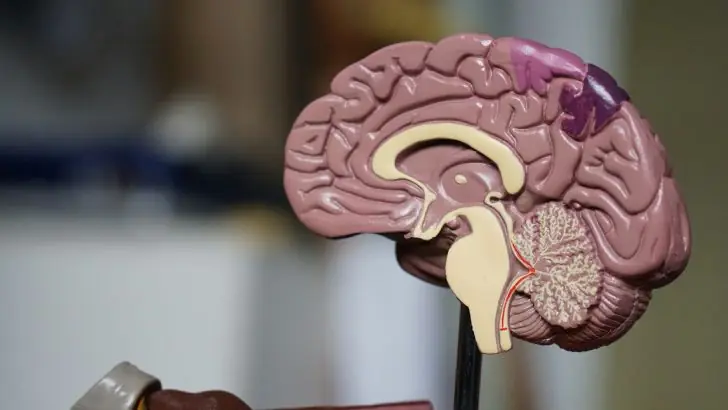
Each one handles a job no other system can fully replace on its own. If one fails without treatment, life ends quickly.
The brain controls breathing, heartbeat, and awareness, while the heart circulates oxygenated blood. The lungs bring in oxygen and release carbon dioxide, the liver detoxifies and manages energy, and the kidneys filter waste and regulate fluids. Severe damage to these organs can set life-or-death limits.
Still, losing part of a vital organ isn’t always fatal. Many systems have built-in redundancies, which doctors exploit during surgery or trauma care. Preserving even a portion of an organ can sustain life.
You Can Survive After Losing Limbs
While limbs are crucial for independence, they aren’t necessary for survival. Amputation may be required when injury or infection makes it unavoidable. Surgeons act quickly to stop bleeding and prevent shock, which is often the true threat.
Modern prosthetics now restore function and mobility like never before. Losing a leg tends to be easier to adapt to than a hand, given the complexity of manual tasks. With timely care and rehabilitation, survival after limb loss is common.
Other non-vital structures can also be lost without ending life. People live without a spleen, an eye, or parts of the jaw. These losses change daily life, but they do not stop the heart or lungs from doing their job.
You Can Live With Less Than a Full Set of Organs
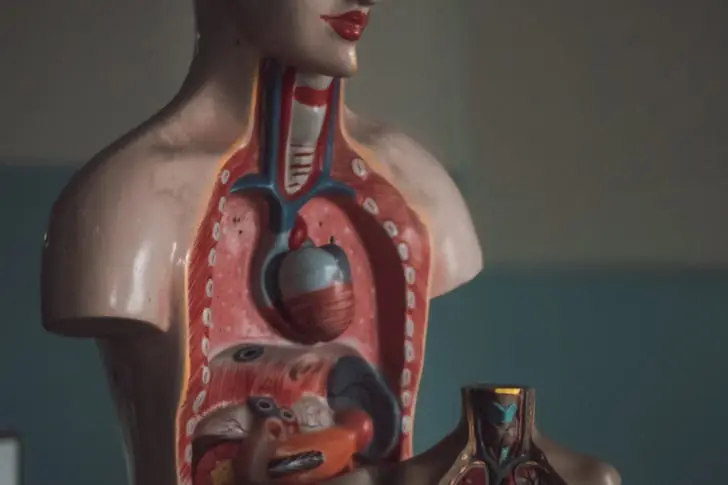
This ability saves lives after trauma and allows living liver donation.
Kidneys also have built-in redundancy. One healthy kidney can handle the workload for years or even decades. Many people live full lives after donating a kidney or losing one to disease.
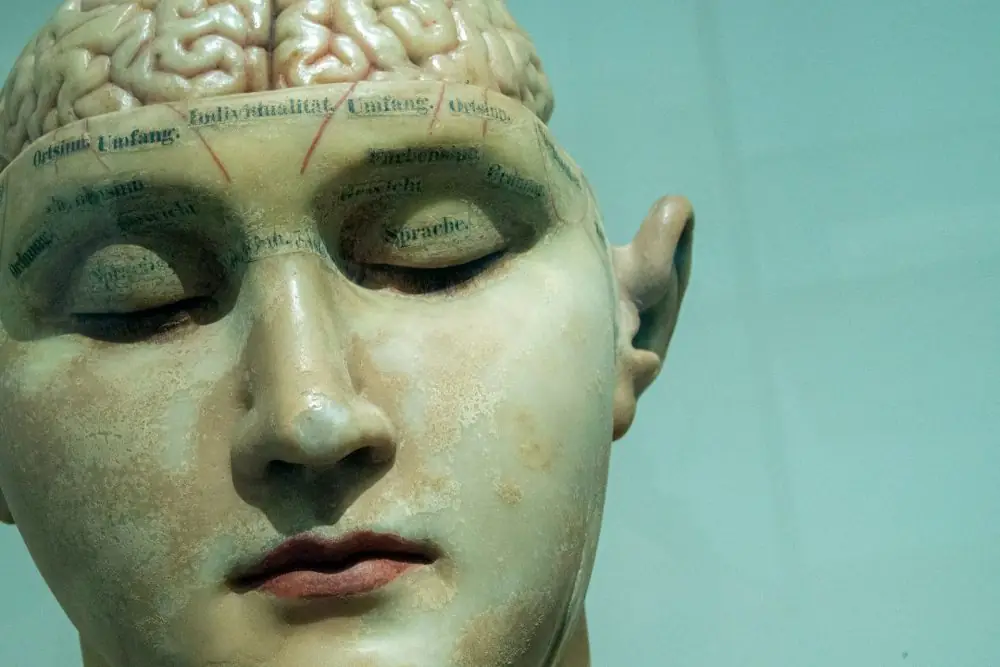
However, the brain is more complex, but it also has some flexibility. Large areas can be damaged while basic life functions continue, as long as the brain stem remains intact. Speech, memory, or movement may suffer, but breathing and heartbeat can continue.
Blood Loss Sets the Fastest Limit
No matter what body part is lost, bleeding is the most immediate threat. Adults carry about five liters of blood. Losing more than half of that volume makes survival extremely unlikely without rapid medical care.
Uncontrolled bleeding leads to shock, organ failure, and cardiac arrest. This is why trauma medicine focuses first on stopping blood loss. Tourniquets, pressure, and rapid surgery save more lives than almost any other intervention.
Even injuries that seem survivable can turn fatal if bleeding is not controlled quickly. On the other hand, people with massive tissue loss can survive if blood volume is preserved and oxygen delivery continues.