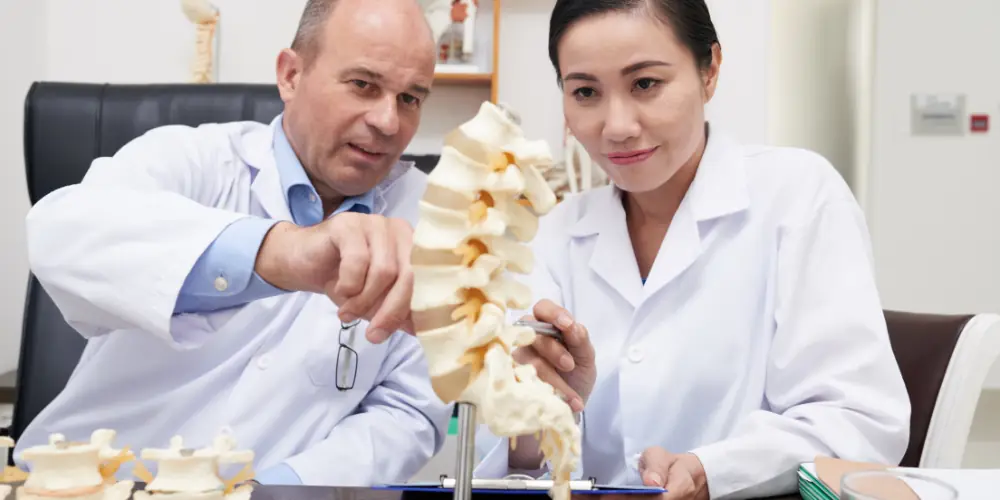
Bones are often thought of as the body’s framework, but their role extends far beyond providing structure. Every bone is made of living tissue that stays active throughout life, constantly repairing itself, storing essential minerals, producing blood cells, and sending signals to other organs.
While more than 6 million bone fractures are treated each year in the United States, the work that keeps bones healthy never stops. Even when the skeleton appears still, millions of tiny biological processes continue beneath the surface to maintain strength and support overall health.
How Bones Renew
Unlike many people assume, bones are not permanent structures. They go through a continuous process called bone remodeling, where old or damaged bone is removed and replaced with new tissue. This natural cycle helps maintain bone strength while allowing the skeleton to adjust to the body’s changing needs.
Three main types of bone cells manage this process. Osteoclasts break down worn or damaged bone, osteoblasts create fresh bone tissue, and osteocytes, which are embedded inside the bone, detect physical stress and coordinate repair. Together, these specialized cells keep the skeleton strong and functional throughout life.
Over the past 15 to 20 years, scientific research has changed the understanding of bone biology. Studies now show that bones are not simply structural supports. They also serve as active tissues that regulate minerals, contribute to blood cell production, and communicate with several organs across the body.
As researchers continue to study these functions, one finding has become increasingly clear: “Bones are integrated with the rest of the body rather than functioning as an isolated structure.”
Bone Changes With Age

Bone health follows a natural cycle from childhood through older adulthood. During childhood and adolescence, the body creates bone faster than it removes it. This allows bones to grow larger, denser, and stronger. Most people reach their peak bone mass in early adulthood.
After that stage, the balance gradually shifts. Bone breakdown slowly begins to exceed new bone formation, especially with aging and hormonal changes. As a result, the risk of osteoporosis and fractures increases over time.
Daily movement also shapes bone health. Activities such as walking, climbing stairs, running, and resistance training place healthy stress on bones. In response, the skeleton builds additional strength to handle those demands. This natural adaptation explains why weight-bearing and resistance exercises play such an important role in maintaining healthy bones.
The opposite is also true. Long periods of inactivity caused by illness, prolonged bed rest, or a sedentary lifestyle can accelerate bone loss. Even astronauts experience reduced bone density during space missions because microgravity places much less weight on the skeleton, despite regular exercise.
Bones and Mineral Balance
Bones act as the body’s largest storage site for calcium and phosphate, two minerals needed for nerve communication, muscle contraction, and many other biological functions. Instead of remaining permanently locked inside the skeleton, these minerals move in and out of bone tissue whenever the body requires them.
Hormones carefully regulate this exchange. The parathyroid glands, along with the kidneys, produce parathyroid hormone and activate vitamin D, sending signals that tell bones when to release calcium and phosphate into the bloodstream and when to store them again. This steady balance keeps mineral levels within a healthy range.
Hormonal changes can also affect bone density. During menopause, estrogen levels decline, reducing the body’s ability to maintain bone mass. As bone loss speeds up, the likelihood of osteoporosis increases, making bone health an important concern for many women as they age.
How Bones Communicate
The skeleton does much more than support movement and store minerals. Many bones contain bone marrow, the primary site where blood cells are produced. Bone marrow creates red blood cells, which carry oxygen throughout the body, white blood cells, which help fight infections, and platelets, which are necessary for blood clotting.
Bone marrow also responds to changes in the body. During infection, inflammation, or blood loss, it adjusts blood cell production to meet the body’s needs. This close connection links the skeletal, circulatory, and immune systems.
Scientists have also discovered that bones send signals to other organs. Bone-derived molecules, including the protein osteocalcin, have been associated with energy metabolism and several other physiological processes. Research is still exploring the full range of these connections, but growing evidence suggests that the skeleton plays an active role in maintaining overall body function rather than serving only as a structural framework.
How Bones Heal After an Injury
Bone is one of the few tissues in the body with the ability to repair itself. After a fracture, healing begins almost immediately through a series of overlapping stages. The process starts with inflammation, followed by the formation of new tissue. Finally, the repaired area is remodeled until it closely resembles the original bone.
Healing time depends on several factors, including blood supply, fracture stability, nutrition, age, and overall health. Conditions that affect bone metabolism can slow remodeling and reduce bone strength over time.
Several lifestyle habits also influence bone health. Smoking, excessive alcohol consumption, and long-term use of medications such as glucocorticoids may weaken bones and increase the likelihood of fractures.
Nutrition Plays a Central Role

Strong bones depend on proper nutrition throughout life. Calcium serves as a primary building block of bone tissue, while vitamin D helps the body absorb calcium and supports normal bone mineralization.
Without adequate amounts of either nutrient, bones become less capable of maintaining their structure and strength.
Regular physical activity, especially exercises that place weight on the skeleton, works alongside good nutrition to support healthy bone remodeling. These habits help preserve bone density and reduce the risk of age-related bone loss.
How Bone Research Is Changing
Scientists now look beyond bone density when studying bone health. They also examine bone quality, remodeling activity, and the way bones communicate with other organs. This broader approach is improving the understanding of osteoporosis and age-related bone loss. It may also lead to better ways to protect bone health in the future.
Healthy bones do much more than prevent fractures. They support movement, store calcium and phosphate, produce blood cells, and communicate with other organs. These jobs continue every day without stopping.
Research continues to reveal new details about the skeleton. Each discovery shows that bones are living tissue with many important roles. Healthy eating, regular physical activity, and good lifestyle habits help keep the skeleton strong and support overall health at every stage of life.