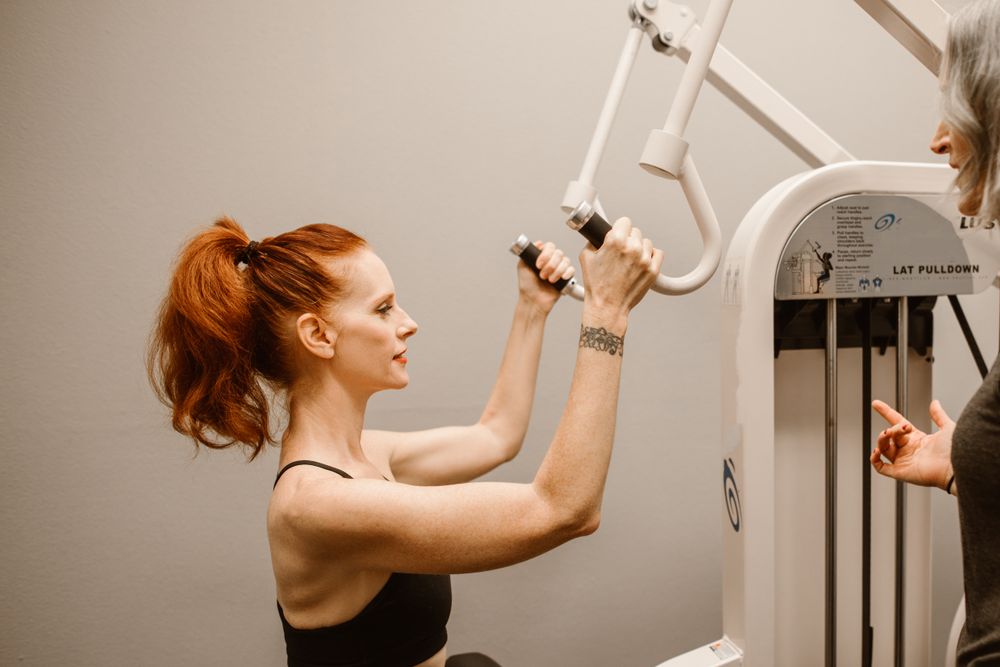

People with atrial fibrillation (AFib) may not need intense workouts to gain meaningful health benefits. New research suggests that even low levels of physical activity are linked to a lower risk of stroke and death. The findings offer encouraging news for people who find hard workouts difficult or simply have not exercised much before.
The study followed more than 87,000 adults in Norway for about 15 years. Researchers found that people who stayed active generally had better outcomes than those who remained inactive. The benefits appeared in people with atrial fibrillation, commonly called AFib, and those without the condition.
AFib causes the heart’s upper chambers to beat in an irregular pattern. That irregular rhythm can allow blood to pool and form clots inside the heart. If a clot travels to the brain and blocks blood flow, it can cause a stroke.
That makes stroke prevention a major concern for people diagnosed with AFib. Doctors may prescribe blood thinners and other treatments based on a patient’s individual risk. The new research does not replace those treatments, but it suggests regular movement could be another valuable part of protecting long-term health.
Even Low Activity Levels Were Linked to Lower Stroke Risk

Researchers analyzed health information from 87,340 people who participated in two major Norwegian health studies. The average participant was about 51 years old when enrolled, and more than 6,500 participants had AFib. National health registries allowed researchers to track AFib, strokes, and deaths over roughly 15 years.
Participants reported how often they exercised, how long their activity lasted, and how hard they pushed themselves. Researchers then divided them into inactive, low-, moderate-, and high-activity groups. The approach gave the team a way to compare activity levels with health outcomes over a long period.
Compared with inactive adults, people reporting low physical activity had a 9% lower risk of stroke. Those with moderate activity had a 19% lower risk, while those in the high-activity group had an 18% lower risk.
The pattern was also encouraging when researchers examined deaths from all causes. Low activity was associated with an 11% lower risk of death compared with inactivity. Moderate activity was associated with an 18% lower risk, while high activity was associated with a 22% lower risk.
The researchers also found similar benefits among people with and without AFib. In other words, having an irregular heart rhythm did not appear to erase the association between physical activity and better outcomes. That finding could reassure AFib patients who assume their heart condition makes exercise less worthwhile.
Lead study author Kristoffer Johansen said the results show that regular physical activity could “serve as an important preventive strategy for people with AFib.” He also stressed that benefits can appear even at lower activity levels.
Small Amounts of Movement Still Count

That could matter for older adults, people returning to exercise, or anyone who spends much of the day sitting. A person does not need to jump immediately into exhausting workouts. Building more movement into everyday life can provide a realistic starting point, especially when inactivity has become the normal routine.
Current American Heart Association physical activity guidance recommends that adults get at least 150 minutes of moderate aerobic activity or 75 minutes of vigorous aerobic activity each week. Adults should also include muscle-strengthening activity on at least two days each week.
The new findings do not make those targets irrelevant. Instead, they suggest people who cannot reach them immediately may still gain something from doing less. Moving from no activity to some activity appears more useful than waiting until a full exercise routine feels possible.
Moderate activity also does not require an all-out effort. Brisk walking and similar aerobic movement can raise the heart rate while remaining manageable. A common way to gauge moderate intensity is the talk test, in which a person can still speak during activity but notices that breathing has become faster.