Biohacking has become a serious business. People now spend heavily on red light panels, cold plunges, supplements, sleep trackers, glucose monitors, and other tools that promise better health and a longer life.
Some of those products may be useful in the right setting. Still, longevity researchers keep pointing to something far less flashy. Strong human connection may have a much bigger effect on health than many people realize, and it does not require a monthly subscription.
Dr. Eric Verdin, president and CEO of the Buck Institute for Research on Aging, has warned that wellness culture can become too focused on expensive interventions. His broader message is much simpler. Sleep, movement, nutrition, stress control, and meaningful relationships still deserve far more attention than most health trends give them.
Loneliness Can Affect More Than Your Mood
The body does not separate emotional stress from physical stress as neatly as people sometimes assume. When someone feels isolated for long periods, stress responses can stay active more often. That can contribute to biological wear over time, especially when other health risks are already present.
The mortality data is especially hard to ignore. A large meta-analysis found that loneliness was linked with a 26% higher likelihood of premature death. Social isolation was linked with a 29% increase, while living alone was associated with a 32% increase.
Another major review reached a similar conclusion from the opposite direction. Researchers analyzed 148 studies involving 308,849 participants and found that people with stronger social relationships had a 50% greater likelihood of survival than those with weaker social ties.
That effect was seen across different ages, sexes, health conditions, and causes of death. The researchers concluded that the impact of social relationships was comparable with several well-known health risk factors.
Strong Relationships Can Help Buffer Stress
Healthy relationships may help by reducing the strain that stress places on the body. A supportive friend, partner, relative, or community can make difficult events feel more manageable. That emotional support can affect how intensely the body responds to stress.
People with stronger social ties may also be more likely to take care of themselves. Friends and family can encourage exercise, remind someone to seek medical care, notice a change in behavior, or simply make daily life feel more meaningful.
Community belonging appears to matter too. Data highlighted by the U.S. Department of Health and Human Services shows that people with a strong sense of community are far more likely to report good or excellent health than people with a weak sense of belonging.
Other large studies have found similar patterns. People who feel a stronger sense of belonging tend to report better physical and mental health, even after researchers adjust for factors such as income, smoking, exercise, and body weight.
Longevity Does Not Have to Look High Tech
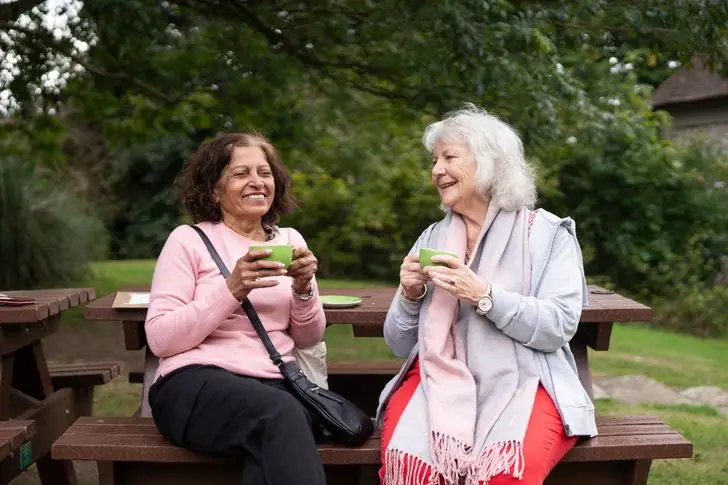
It can be as simple as eating dinner with someone you care about or calling a friend instead of scrolling alone for another hour. That simplicity may be exactly why people underestimate it.
The rise in social isolation has made the issue more urgent. The COVID-19 pandemic disrupted routines, friendships, work environments, and community life for millions of people. Some of those social habits never fully returned.
Young adults have also reported high levels of loneliness in recent years, and researchers have paid particular attention to isolation among young men. Digital communication can keep people technically connected while still leaving them short on meaningful contact.