
Swallowing gum used to sound like a bad idea. Parents warned against it. School myths said it stayed in your stomach for years. That fear made sense because regular gum is not food. It is rubbery, synthetic, and built to survive chewing, not digestion.
This version is called mastic gum. It is not a trendy invention or a vitamin candy in disguise. It is a tree resin people have chewed and swallowed for centuries. And yes, your gut can actually use it.
What Makes Mastic Gum Totally Different?
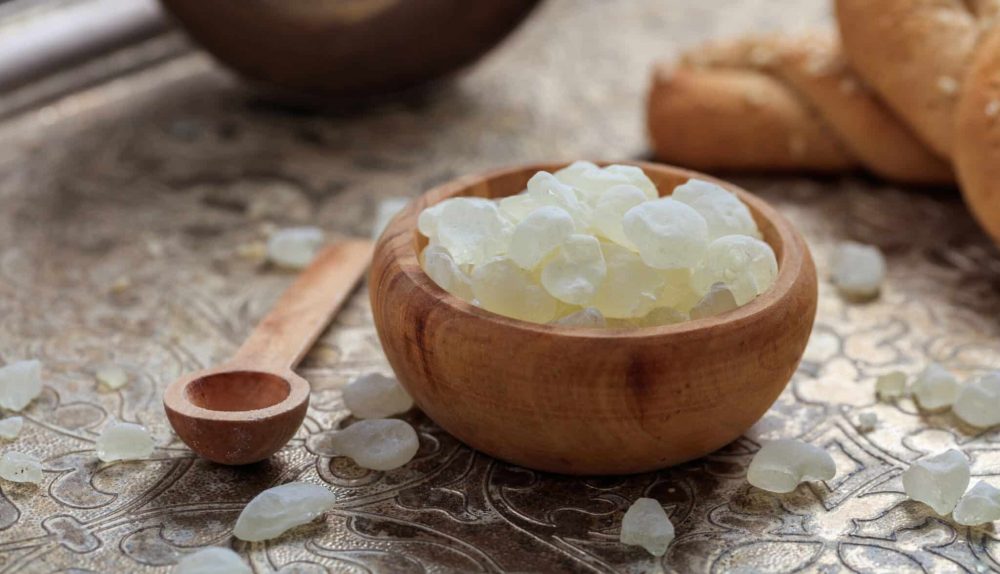
Freepik / Mastic gum comes from the mastic tree, a small evergreen that grows mainly on the Greek island of Chios.
Farmers collect the sap after it hardens into crystal-like drops. Nothing is added. Nothing is removed. What you chew is exactly what comes off the tree.
Regular chewing gum is a lab product. It uses synthetic rubber, plasticizers, artificial flavors, dyes, and sweeteners. Your body cannot break that down. When swallowed, it moves through unchanged. Mastic gum behaves the opposite way. It softens as you chew and continues to break down once it hits your stomach.
The texture surprises first-timers. It starts firm, almost crunchy, then melts into a sticky resin. The taste is earthy and pine-like, not minty or sweet. That taste signals active plant compounds, not flavor chemicals. Those compounds are the reason people swallow it.
Why Swallowing It Helps Your Gut?
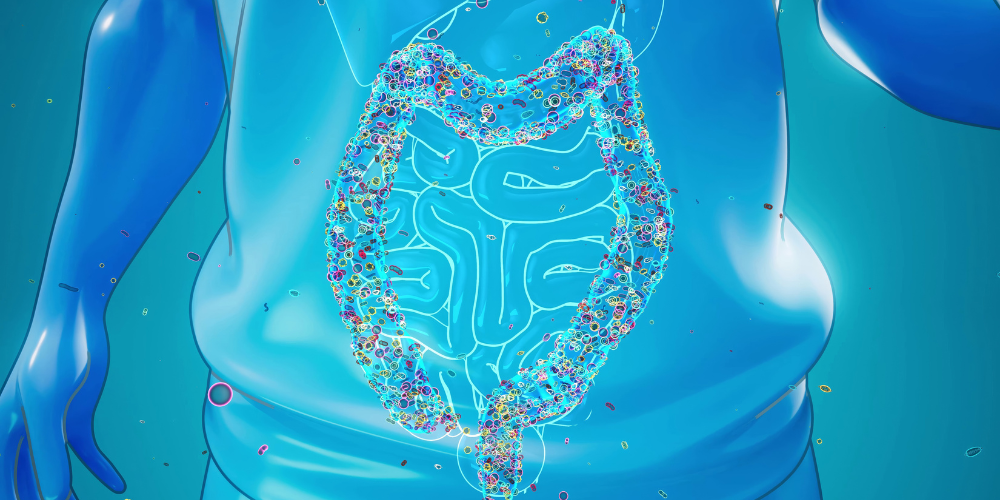
Your stomach is not just a bag of acid. It is a living system full of bacteria, enzymes, and delicate tissue. When that balance goes off, pain follows. Bloating. Burning. Nausea. Mastic gum works inside this system instead of passing through it.
Research shows mastic gum can help control Helicobacter pylori, a bacterium tied to ulcers and chronic stomach pain. Studies found that small daily doses reduced bacterial levels in some people. Scientists believe its natural antimicrobial compounds weaken the bacteria while calming inflammation in the stomach lining.
People who use it regularly often report fewer flare-ups after meals. Less pressure. Less discomfort. Food feels easier to handle. That effect likely comes from its ability to coat and soothe the stomach while supporting a healthier gut environment.
Remember, it works gradually. Think of it like maintenance instead of emergency relief. Over time, your gut gets calmer. Digestion gets smoother. Meals stop feeling like a gamble.
The Real Reason It Earned the “Beauty Gum” Label
Feepik / Mastic gum is tougher than standard gum. Your jaw works harder, and your muscles stay active longer. That effort is why some people swear their jawline looks more defined.
Chewing any firm gum can strengthen jaw muscles. Mastic just happens to resist longer before breaking down. Does it sculpt your face dramatically? Probably not. Even fans admit the science is shaky. What it can do is encourage mindful chewing and reduce mindless snacking.
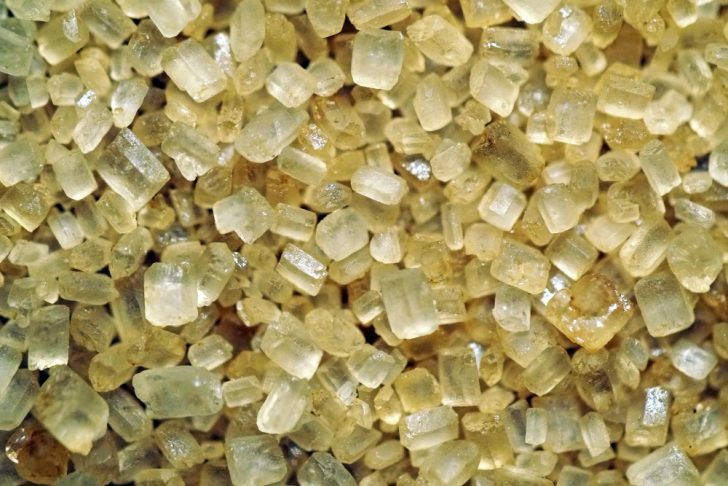
The beauty part also comes from what it leaves out. No sugar spikes, artificial sweeteners, or plastic base. People like the idea of chewing something clean that does not dump chemicals into the mouth. Clear skin claims exist, but the strongest benefit still lives in the gut.
Oral Health Gets a Boost
Long before toothpaste, people chewed resins for clean teeth. Mastic gum was one of them. Its natural antimicrobial action helps reduce bacteria that cause plaque and bad breath. Chewing increases saliva, which helps wash away food particles.
Some studies show mastic gum lowers harmful oral bacteria levels. That does not replace brushing, but it can support gum health between meals. The taste lingers in a clean, woodsy way, not a sugary blast that fades fast.
Because it contains no sugar, it does not feed cavity-causing microbes. That alone makes it a smarter chew than most gums on store shelves.