
Feeling exhausted after a full night's sleep can be frustrating. Add frequent headaches, cold hands, dizziness, or trouble concentrating, and your body may be signaling that something needs attention.
Iron deficiency is one possible cause, and it is a common nutritional problem. Iron helps the body make hemoglobin, a protein in red blood cells that carries oxygen from the lungs to tissues throughout the body.
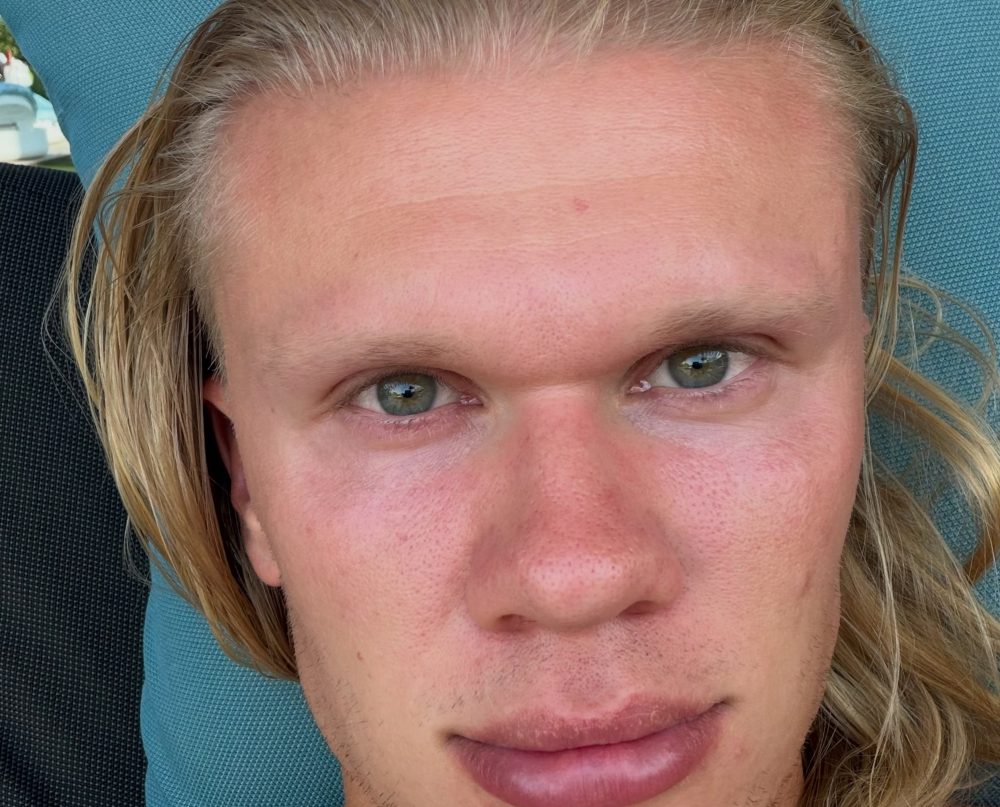
When iron stores fall, the body can struggle to maintain normal oxygen delivery. Symptoms may start quietly and become more noticeable as the deficiency gets worse. Social media has recently focused on a supposed sign called "ferritin face." The phrase describes features such as pale skin, dark under-eye circles, dry skin, and thinning hair, but doctors do not recognize it as a medical diagnosis.
Those appearance changes can have dozens of causes unrelated to iron. Looking in the mirror cannot tell you if your iron stores are low, but several persistent symptoms can give you a good reason to speak with a healthcare professional.
Fatigue, Breathlessness and Brain Fog

George / Pexels / Persistent fatigue is one of the best-known symptoms linked with iron deficiency. This tiredness may feel different from simply staying up too late or having an unusually busy week.
You might sleep for a normal amount of time and still feel drained during the day. Everyday activities can suddenly require more effort because the body's tissues are not receiving oxygen as efficiently.
Shortness of breath can appear for a similar reason. Walking upstairs, carrying groceries, or completing another routine activity might leave someone unusually winded when low iron has affected hemoglobin levels. A racing or noticeable heartbeat may occur in more significant cases. The heart can work harder to move oxygen-rich blood around the body when the blood's oxygen-carrying capacity has fallen.
Dizziness and lightheadedness can also occur. Some people notice these symptoms after standing up or during physical activity, although dizziness has many possible causes and should not automatically be blamed on iron. Frequent headaches can join the list as well. Headaches are extremely common, so their presence alone tells a doctor very little about a person's iron status.
People often call this feeling "brain fog," although the term is not a specific diagnosis. Stress, poor sleep, illness, medications, and other nutritional problems can produce similar concentration difficulties.
Your Hair, Nails and Mouth Can Show Changes Too
Iron deficiency can sometimes affect tissues that people notice in the mirror. Hair shedding, brittle nails, and paler skin may develop, especially when low iron becomes more pronounced or continues for a long period.
This connection has helped fuel interest in "ferritin face" online. The problem is that no specific facial appearance can reliably identify low ferritin or iron deficiency. Ferritin is a protein that stores iron inside the body. Doctors can measure ferritin in the blood to help estimate iron stores, making it an important part of investigating possible iron deficiency.
Low ferritin can indicate depleted iron stores, but test results still need medical interpretation. Illness, inflammation, and other health factors can affect ferritin levels and complicate what the number means. Pale skin can sometimes occur because lower hemoglobin levels reduce the usual redness provided by blood beneath the skin. The change may be subtle and can look different across different skin tones.
A Blood Test Gives You the Real Answer

Towfiqu / Pexels / Some people have a greater chance of developing iron deficiency. Heavy menstrual bleeding is a common risk factor because repeated blood loss gradually reduces the body's stored iron.
Pregnancy also raises iron requirements because the body needs additional iron to support increased blood volume and fetal development. Healthcare professionals commonly monitor iron status during pregnancy for this reason.
Frequent blood donors can become iron deficient as well. Each donation removes red blood cells and iron, and repeated donations may gradually reduce iron stores if they are not replaced adequately.
Endurance athletes may also face an increased risk under certain circumstances. People following vegetarian or vegan diets need to pay attention to iron intake because plant-based iron is generally absorbed less efficiently than iron from animal sources.