


Oatmeal rarely gets the spotlight at breakfast. Pancakes look better on social media, and sugary cereals scream louder from grocery store shelves. Still, oatmeal keeps winning where it matters most, your heart health.
A warm bowl of oats does far more than fill your stomach. It works quietly in the background, helping your body manage cholesterol, blood pressure, blood sugar, and even inflammation. That combination matters because heart disease remains one of the leading health problems worldwide.
The best part is that oatmeal does not demand a major lifestyle overhaul. You do not need expensive powders, complicated meal plans, or trendy ingredients. A basic bowl of rolled oats can already give your heart a serious boost.
Oatmeal Helps Clear Out Bad Cholesterol
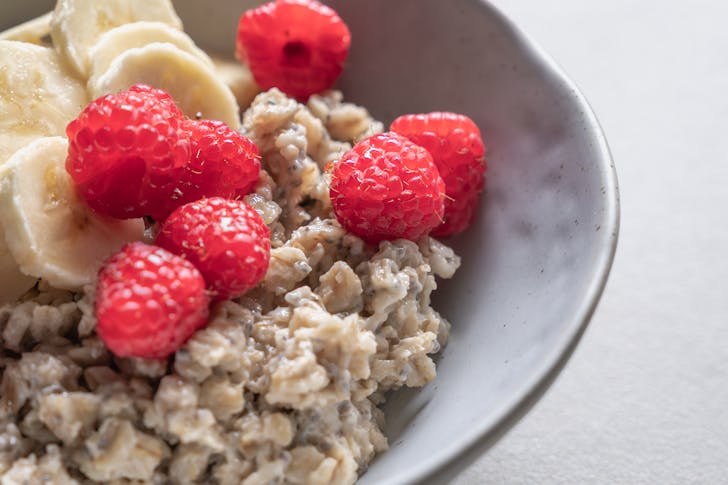
Sandu / Pexels / One of oatmeal’s biggest strengths is its ability to lower LDL cholesterol, often called bad cholesterol.
High LDL levels can lead to plaque buildup inside your arteries. Over time, those arteries become narrow and stiff, which increases the risk of heart attacks and other cardiovascular problems.
The real hero here is beta-glucan, a type of soluble fiber found in oats. Once oatmeal reaches your digestive system, beta-glucan turns into a thick gel. That gel grabs onto cholesterol and bile acids before they enter your bloodstream. Your body then removes them naturally through digestion.
This process forces your liver to pull more cholesterol from your blood to create new bile acids. As a result, LDL cholesterol levels begin to drop. Research continues to support this effect, especially when oatmeal becomes a regular part of your diet instead of an occasional breakfast choice.
Experts often recommend about 3 grams of beta-glucan daily for heart benefits. That amount usually comes from one large bowl of oatmeal or around two smaller servings spread throughout the day. Consistency matters more than perfection here.
Oats also contain antioxidants called phenolics. One standout compound, ferulic acid, helps fight oxidative stress inside the body. Oxidative stress damages cells and contributes to artery problems over time.
Your Blood Pressure Gets Extra Support
Healthy blood pressure keeps your heart from working too hard. When pressure stays too high for too long, blood vessels become strained and damaged. That can increase the risk of stroke, heart failure, and kidney disease.
Oatmeal supports healthy blood pressure in several ways. First, oats contain magnesium and potassium, two minerals that help blood vessels relax properly. Relaxed blood vessels allow blood to move more easily through the body, which helps reduce pressure on artery walls.
Recent research has shown promising links between regular oat consumption and lower blood pressure, especially in people with prehypertension. That stage happens before full hypertension develops, making it a key time to improve eating habits.
Oatmeal Keeps Hunger Under Control

Livilla / Pexels / Heart health and body weight are closely connected. Carrying excess weight forces your heart to work harder every single day.
Extra fat around the abdomen can also increase inflammation and raise the risk of cardiovascular disease.
Oatmeal helps because it keeps you full for a long time. The beta-glucan fiber slows digestion, which means food stays in your stomach longer. That slower digestion reduces sudden hunger and helps prevent constant snacking.
Many processed breakfast foods trigger a quick energy spike followed by a crash. Oatmeal behaves differently. It releases energy slowly and steadily, helping you stay satisfied without the midmorning slump.
This effect becomes especially useful for reducing visceral fat. That is the deep abdominal fat wrapped around internal organs. Visceral fat produces inflammatory chemicals that increase stress on the cardiovascular system.
Better Blood Sugar Means Better Heart Health
Blood sugar and heart health are tightly connected. High blood sugar damages blood vessels over time, increasing the risk of heart disease. People with type 2 diabetes face much higher rates of cardiovascular problems for this reason.
Oatmeal helps slow the absorption of sugar into the bloodstream. The soluble fiber creates a gradual release instead of a sudden spike. That steadier response helps your body manage insulin more effectively.
Oats also contain unique antioxidants called avenanthramides. These compounds have anti-inflammatory effects that may help reduce insulin resistance. Lower insulin resistance allows the body to process blood sugar more efficiently.