
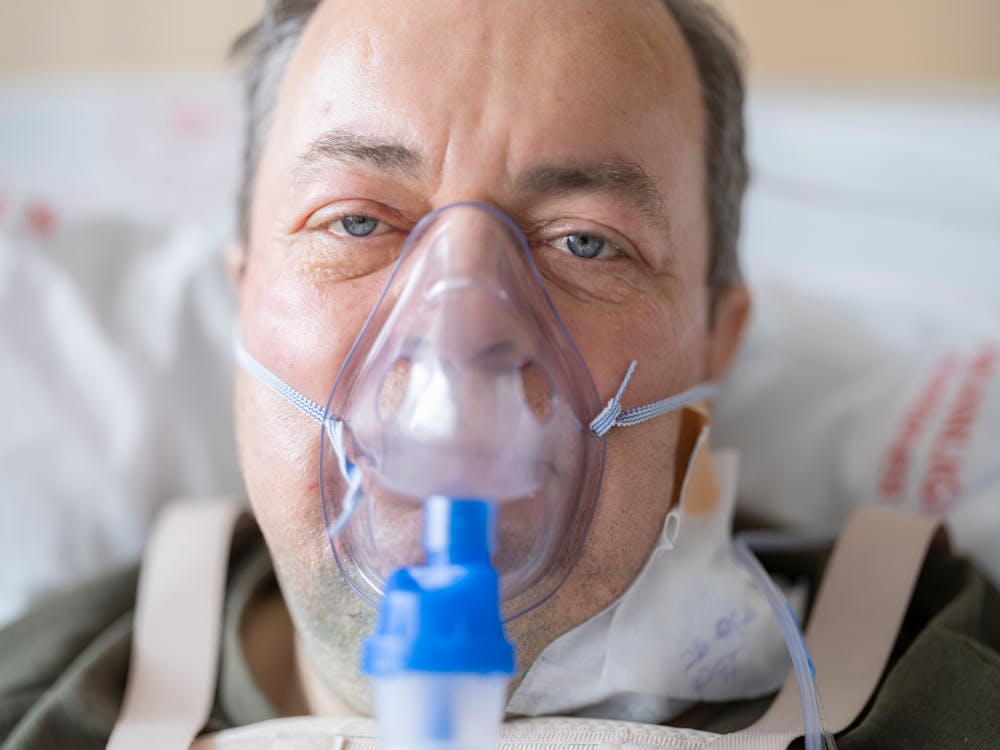

Heart attacks do not hit the same way at every hour. Doctors have noticed this for years. Morning heart attacks often leave deeper scars and weaker hearts than those that strike at night. Until recently, no one knew exactly why.
The answer sits inside your immune system. White blood cells follow a daily rhythm, just like sleep and hormones. During the day, they act fast and hit hard. At night, they calm down. Researchers now believe that forcing these cells into their calmer state right after a heart attack could save heart tissue and speed healing.
This idea led to what scientists now call “night mode” therapy. It does not shut down immunity. It fine-tunes it. The goal is to protect the heart from friendly fire during its most fragile moment.
How the ‘Night Mode’ Mechanism Works
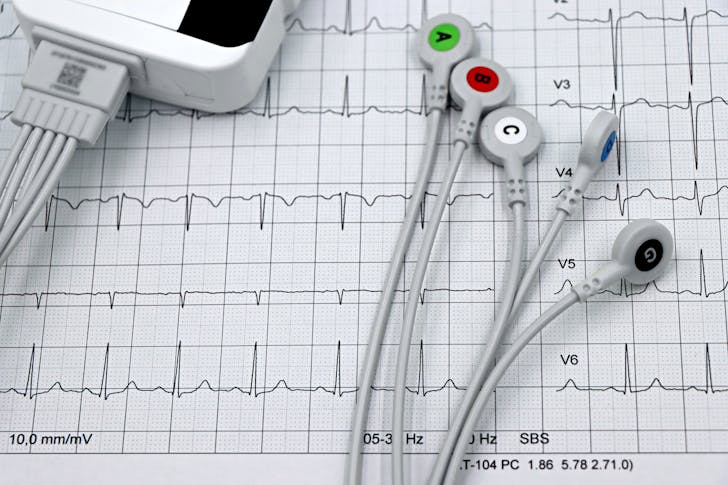
Mart / Pexels / After a heart attack, the immune system rushes in to clean up damaged cells. Neutrophils lead the charge.
They are aggressive by design. They kill bacteria, clear debris, and call for backup. That is good at first. It becomes a problem when they stay too active for too long.
Researchers discovered that neutrophils run on an internal clock. During the day, a protein called Bmal1 pushes them into high-alert mode. They move fast, release toxic chemicals, and inflame nearby tissue. At night, another signal steps in. A receptor called CXCR4 slows them down and keeps their damage in check.
Patient data backs this up. People who had heart attacks in the morning showed more heart injury than those whose attacks happened at night. The immune response was stronger, louder, and more destructive. The heart paid the price.
However, the danger is not the immune response itself. It is the excess. Daytime neutrophils often overreact. They damage healthy heart cells while trying to clean up dead ones. This collateral damage weakens the heart and raises the risk of heart failure later on.
Night mode therapy aims to flip the switch early. It pushes neutrophils into their nighttime state even if the heart attack happens at noon. They still do their job. They just stop wrecking the neighborhood.
The Therapy That Calms Without Crippling
To trigger night mode, scientists focused on CXCR4. This receptor naturally tells neutrophils when to slow down. In lab studies, researchers activated CXCR4 using a compound called ATI2341. They did it during the day, right after a heart attack.
The results were striking. Neutrophils became less aggressive. Heart tissue damage dropped. Weeks later, the heart pumped more efficiently. Most importantly, the immune system stayed intact. The body could still fight infections.
This matters because past anti-inflammatory drugs often failed for one reason. They suppressed too much. Shutting down immunity after a heart attack can invite infections or slow healing. Night mode therapy avoids that trap. It works with the immune system, not against it.
This approach fits into a growing trend in heart research. Scientists no longer want blunt tools. They want precision. Instead of turning inflammation off, they want to guide it.
Together, these therapies point to a future where heart attack care goes beyond opening arteries. It also manages the immune response that follows.
Inflammation, The Second Wave of Damage
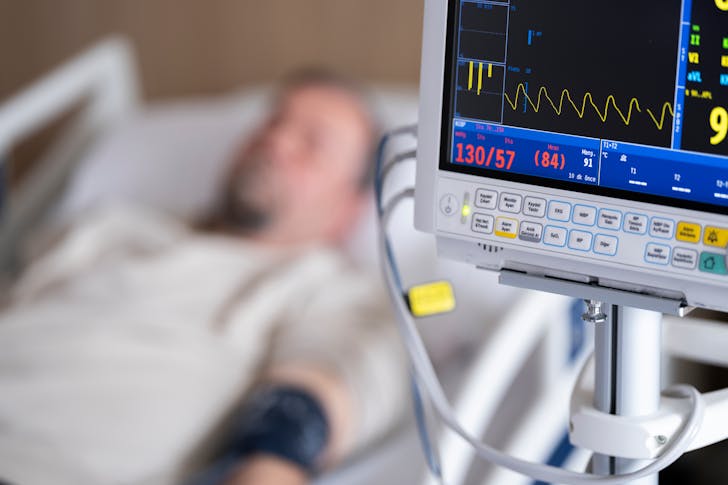
Engin / Pexels / A heart attack causes damage in two main phases. The first is the blockage itself. Blood flow stops, and heart cells suffocate. That part is fast and brutal.
The second phase starts when blood flow returns. The immune system storms in. This process is called reperfusion injury. It sounds helpful, and it is, to a point. But too much inflammation can kill cells that survived the initial attack.
Excess inflammation leads to scarring. The heart stiffens. Its shape changes. Over time, this remodeling can turn into heart failure. Many patients never fully recover because of this second wave, not the first.
Scientists now know that inflammation and metabolism are deeply linked. Immune cells change how they use energy during stress. Heart cells do the same. This field, called immunometabolism, has become a major focus in cardiology research.